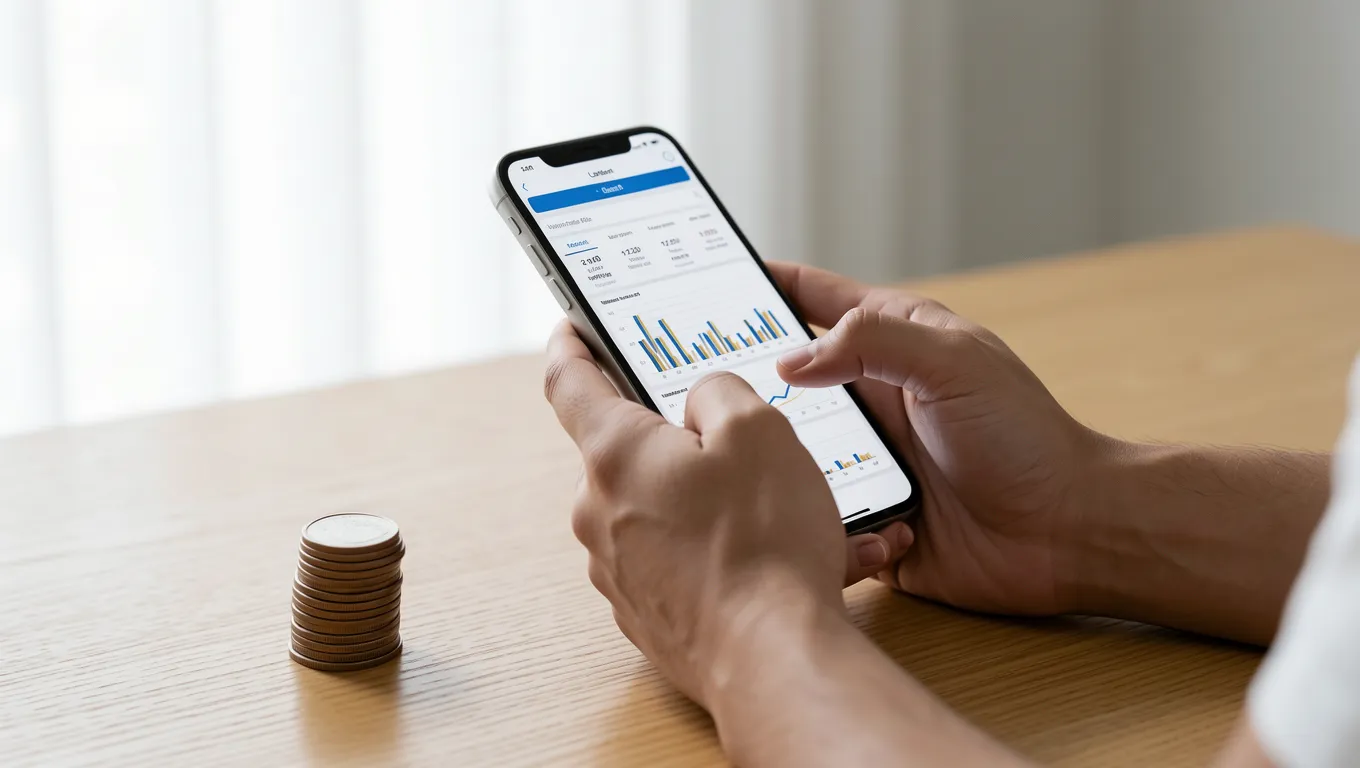
Find the right small-scale financing options tailored for your immediate needs in 2026. 59 Cash helps you compare lenders quickly without any upfront costs.
No hard credit pull · Takes 2 minutes
Won't impact your credit score
Provide basic details about your requested amount and financial situation through our secure portal.
Review multiple loan options from different lenders to find the terms that fit your budget best.
Once you find a match, complete the final application directly with your chosen lender.
When considering low amount personal loans in 2026, many borrowers are looking for quick ways to bridge financial gaps without committing to massive debt loads. These smaller financing options typically range from $500 up to $5,000, providing a lifeline for immediate needs like car repairs or medical emergencies. Unlike larger long-term debts, these are often structured as unsecured installment loans, meaning you do not need collateral to secure the funds. According to guidance from the Consumer Financial Protection Bureau (CFPB), it is vital to understand that even small loans come with specific terms and interest rates that can vary significantly based on your financial profile.
Navigating these options requires an understanding of how fixed-rate installment loans function compared to other forms of credit. Because the principal amount is relatively low, some lenders may offer faster processing times, but they might also charge a slightly higher APR range 6%–36% depending on your risk profile. It is important to look beyond just the monthly payment and examine the total cost of borrowing, including any potential origination fee that might be baked into the loan structure.
Borrowers often use these funds for 'bridge' purposes—covering a sudden expense until their next paycheck arrives or consolidating several small, high-interest debts into one manageable payment. By utilizing a structured repayment plan, you can avoid the pitfalls of revolving credit card interest and move toward a more stable financial footing. As we move through 2026, digital lending platforms continue to make accessing these smaller amounts more streamlined than ever before.
| Lender Type | Typical Amount Range | Speed of Funding | Credit Requirement | Best For |
|---|---|---|---|---|
| Traditional Banks | $1,000 - $5,000 | 3-5 Business Days | Excellent/Good | Lowest Rates |
| Credit Unions | $500 - $5,000 | 1-3 Business Days | Good/Fair | Community Focus |
| Online Lenders | $500 - $5,000 | Same Day to 48 Hours | Varied | Speed & Convenience |
| Peer-to-Peer (P2P) | $1,000 - $5,000 | 3-7 Business Days | Good/Fair | Alternative Funding |
| Fintech Apps | $100 - $2,500 | Instant to 24 Hours | Varied/Low Score Friendly | Emergency Cash |
Meeting the requirements for small-scale financing often depends on several key metrics that lenders use to assess risk. One of the most critical factors is your debt-to-income ratio, which measures how much of your monthly income goes toward existing debt obligations. Lenders want to ensure that adding another installment loan will not stretch your budget to a breaking point. Even for smaller amounts, many lenders will perform a soft credit inquiry initially to provide you with estimated rates without impacting your score.
Your credit utilization and overall history are also major components in the decision-making process. Major bureaus like Experian and TransUnion track your repayment behavior, which is a primary indicator of whether you will complete your loan term as agreed. While some lenders specialize in working with those who have less-than-perfect credit, these individuals may encounter higher interest rates or different terms than those with an 'Excellent' rating.
Beyond your credit score, lenders often look for stable income verification. This might include recent pay stubs, tax returns, or bank statements to prove you have the cash flow necessary to manage the loan. In 2026, many automated systems can verify this data almost instantly, allowing for a much faster approval process than in previous years. Always ensure your information is accurate to avoid delays in the underwriting phase.
Knowing your score allows you to target lenders that match your profile, which may help avoid unnecessary rate hikes.
Look beyond the monthly payment and focus on the APR to ensure you are getting a fair deal.
Only apply for loans after you have compared rates, as too many hard credit pulls can temporarily lower your score.
Always check if there is an origination fee or a prepayment penalty before signing any agreement.
We connect you with a wide network of lenders to find matches in minutes.
Your data is protected by industry-leading encryption and security protocols.
We provide clear information so you can make an informed decision for your budget.
From credit unions to online fintechs, we offer a variety of lending profiles.
Understanding the math behind your loan is essential for avoiding financial strain. When you take out a small personal loan, the Annual Percentage Rate (APR) represents the true cost of that money, including interest and certain fees. According to data from the Federal Reserve, interest rate trends in 2026 continue to influence how much consumers pay for unsecured debt. While some borrowers may secure rates as low as 6% APR, those with lower credit scores might see rates climb toward 36% or higher.
It is also important to distinguish between fixed-rate loans and variable-rate options. Most small personal loans are fixed, meaning your monthly payment stays the same for the duration of the loan term. This provides predictability in your monthly budget, which is a significant advantage when managing tight finances. However, you must ensure that your cash flow can comfortably accommodate these payments without relying on future windfalls.
One often overlooked aspect is the impact of the loan term. A longer term might mean lower monthly payments, but it also results in paying more interest over the life of the loan. Conversely, a shorter term increases each payment amount but saves you significant money in total interest costs. Finding the 'sweet spot' between monthly affordability and total cost is key to successful borrowing.
While small loans are incredibly useful, they can be misused in ways that lead to a cycle of debt. The Federal Trade Commission (FTC) frequently warns consumers about 'predatory lending' practices where high fees and astronomical interest rates make it nearly impossible to pay off the principal. It is vital to distinguish between a legitimate small personal loan from a reputable lender and a payday loan that carries predatory terms.
Payday loans often feature triple-digit APRs and require repayment in full within a very short window, which frequently leads borrowers to take out new loans just to pay off the old ones. In contrast, a standard installment loan provides you with a set schedule and much more manageable interest rates. Always prioritize lenders that offer clear, upfront disclosures about all costs associated with the borrowing process.
To ensure you stay in control of your finances, avoid borrowing money for non-essential luxury items or lifestyle inflation. Instead, use these funds strictly for the intended purpose, such as an emergency repair or debt consolidation. By treating small loans as a strategic tool rather than a continuous safety net, you can leverage them to improve your financial health without risking your long-term stability.
For related paths to funding, many readers also explore loan amounts.
Adjust the sliders to see an instant estimate. Actual rates depend on your credit profile.
* Estimate only. Actual rate and terms depend on lender approval.
Estimated Monthly Payment
$332.14
per month for 36 months
No impact on your credit score